NEWNow you can listen to Fox News articles!
Hezbollah, an Iranian-backed militant group, saw its command structure across Lebanon come under what Israeli officials described as one of the most devastating blows of the April 8 war.
Around the same time, explosions ripped through Beirut, Lebanon, the Beqaa Valley and southern Lebanon as about 50 Israeli warplanes attacked more than 100 Hezbollah fighters.
The targets were not rocket launchers or weapons depots, according to the Israel Defense Forces (IDF), but the organization’s nerve centers: command rooms, intelligence headquarters and offices where Hezbollah commanders plan the next phase of combat.
The strike marked a new phase in the war between Israel and Hezbollah, which erupted on March 2 after Hezbollah entered the fray in support of Iran – one day after the US and Israel attacked Iran and the assassination of Iran’s Supreme Leader, Ayatollah Ali Khamenei. Since then, Hezbollah has fired rockets, drones and anti-tank missiles into northern Israel, and Israel has responded with expanded airstrikes and ground attacks in southern Lebanon.
BROTHER OF HEZBOLLAH SYNAGOGUE ATTACKER, ISRAEL SAYS
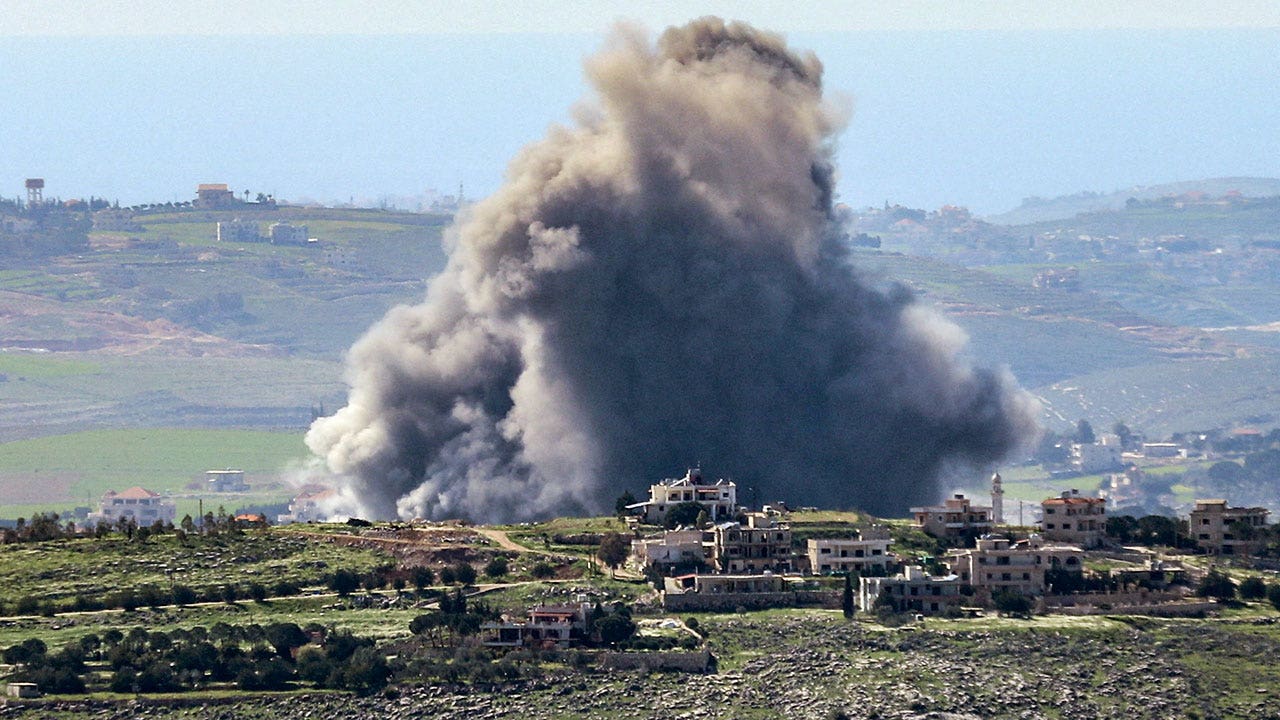
Smoke billows after an Israeli airstrike in Lebanon, following tensions between Hezbollah and Israel amid the US-Israel conflict with Iran, as seen in Marjayoun, Lebanon, March 5, 2026. (Karamallah Daher/Reuters)
“Within one minute, the IDF eliminated 250 Hezbollah terrorists in three locations simultaneously,” the Israeli military said in a statement, adding that the investigation was ongoing.
IDF spokesperson Lt. Col. Nadav Shoshani told Fox News Digital that the strike was the result of weeks of intelligence work.
Israeli intelligence agencies tracked Hezbollah operatives as they moved between apartments, offices and safe houses across Lebanon.
“The time was about preparations,” said Shoshani. “There were weeks of incredible creativity.”
Asked if the program showed that Israel still has deep inroads into Hezbollah despite the months of war, Shoshani pointed to the scale of the attack.
“The fact that we were able to find 250 terrorists hiding in different places in Lebanon, many of them in places in the last few weeks, eliminating them in real time, I think the power speaks for itself,” he said.
Lebanese President Joseph Aoun condemned Wednesday’s strikes.
“The level of killing and destruction in Lebanon today is terrible,” said United Nations Human Rights chief Volker Türk. “Such a massacre, a few hours after we agreed to an end to the ceasefire with Iran, defies belief.”
Hezbollah said the day after the attack when it fired rockets into Israel, “This response will continue until the end of Israeli and American violence against our country and our people,” the group said in a statement.
IDF UNVEILS HEZBOLLAH WEAPONS ENTERING LEBANON HOSPITAL
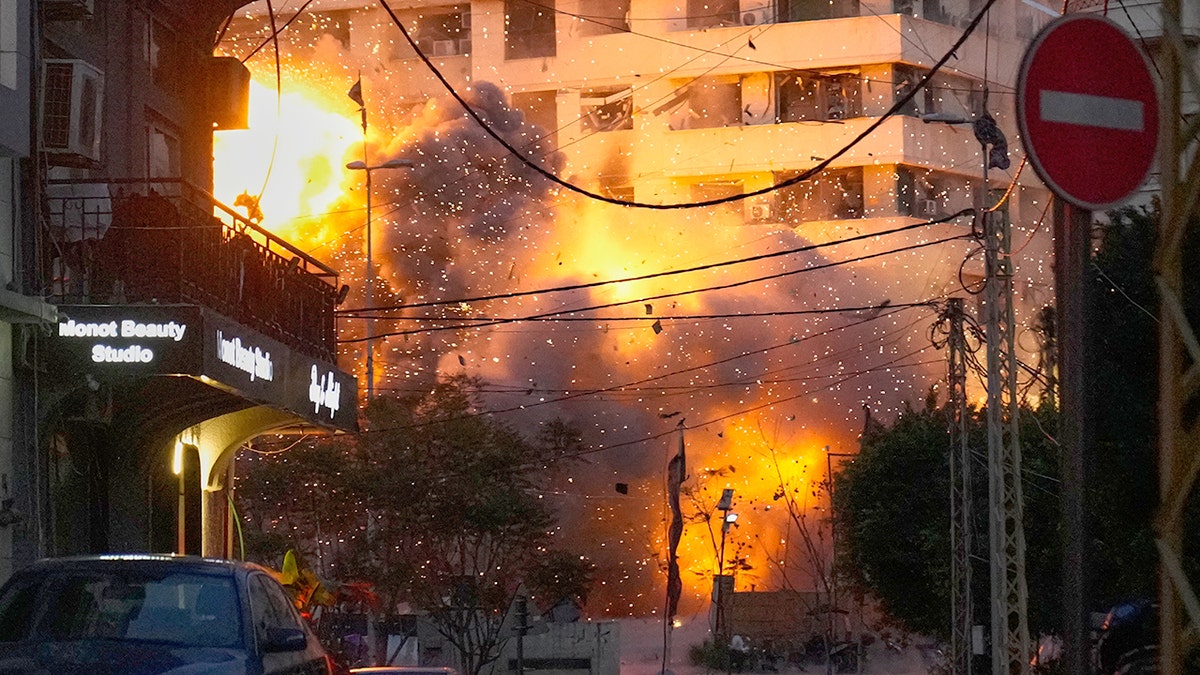
An explosion erupts in a building following an Israeli strike in central Beirut, Lebanon, Wednesday, March 18, 2026. (Hussein Malla/AP)
The strike drew comparisons to the “beeper” operation in September 2024, when thousands of pagers and walkie-talkies used by Hezbollah operatives went off almost simultaneously across Lebanon and Syria in an operation attributed to Israel.
The explosion killed more than 40 people and wounded about 4,000, according to Lebanese authorities, and Hezbollah later admitted that about 1,500 fighters were evacuated. The operation dismantled Hezbollah’s communications network and signaled Israel’s focus on a strike that dramatically changed the battlefield.
“The beeper received more damage than it intended,” Shoshani said. “But they both targeted hundreds of terrorists, and within 60 seconds.”
Like the beeper operation, he said, the April 8 strike was aimed not only at killing operatives but at disintegrating Hezbollah.
“It was important in terms of creating chaos, breaking their chain of command, breaking their control and oversight, and kind of tilting the organization in the wrong direction,” he said.
A former Israeli intelligence official, speaking in the background, said the strike may not have reached the level of a beeper operation, but it appeared to strike an unusually broad layer within Hezbollah.
Hezbollah is still reeling from the incident, according to the former official, even if that hasn’t been reflected in the reduction in its rocket fire.
But he warned against judging the operation only by the number of people killed.
The real measure, he said, is whether the strike changes the war and leaves Hezbollah incapacitated.
The IDF said many of those killed belonged to Hezbollah’s Radwan Force – Hezbollah’s. A skilled and highly trained combat unit, intelligence services, missile units and Aerial Unit 127.
The Israeli military said most of the targets were placed in civilian areas.
“Most of the infrastructure hit was inside civilians,” the IDF said.
HEZBOLLAH, IRAN UNLEASH DRIVES COLLECTED GROUP BOMB INTO ISRAEL WITH BIG SPEECH
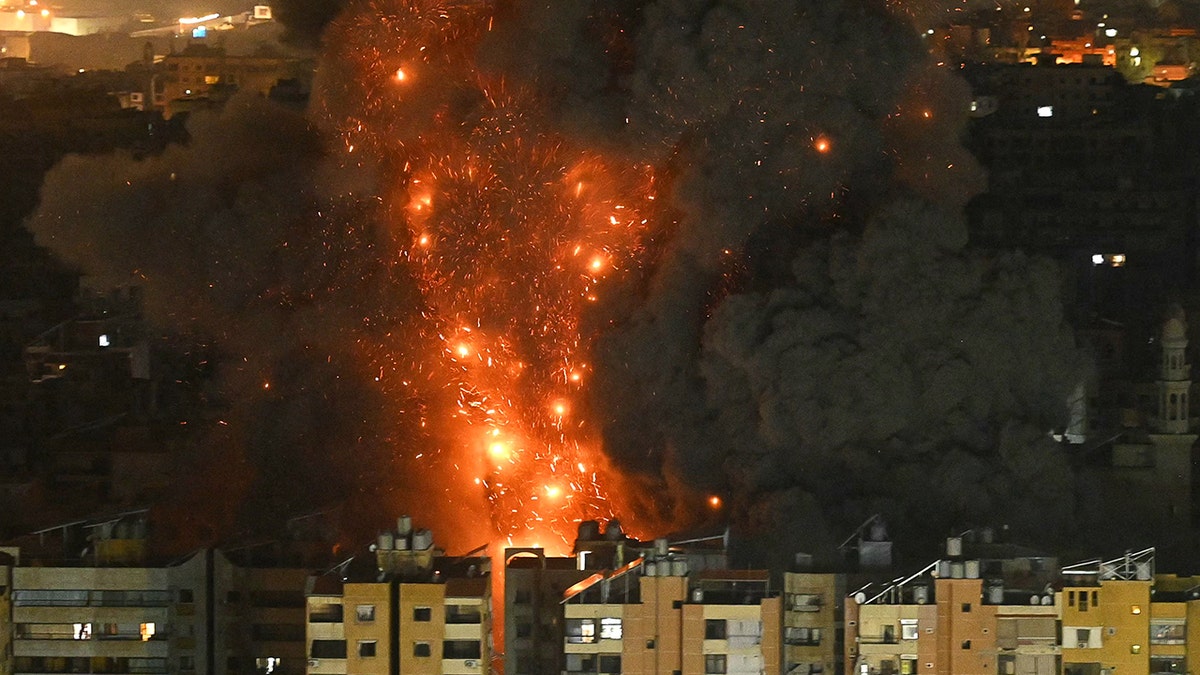
The Israeli military said most of the targets were placed in civilian areas. (Fadel Itani/AFP)
Shoshani said Israel warned civilians to evacuate before the strikes, but Hezbollah moved its operatives to new locations.
“When we gave warnings in the areas, the citizens came out, Hezbollah realized that it had come out and hid behind the citizens in the new areas,” he said.
Despite the blow, Israeli officials say Hezbollah remains a serious threat. Shoshani said that this group, before the war had between 150,000 and 200,000 rockets and missiles, still has the ability to fire at Israel.
“They are still a big threat to our people,” he said.
CLICK HERE TO DOWNLOAD THE FOX NEWS PROGRAM
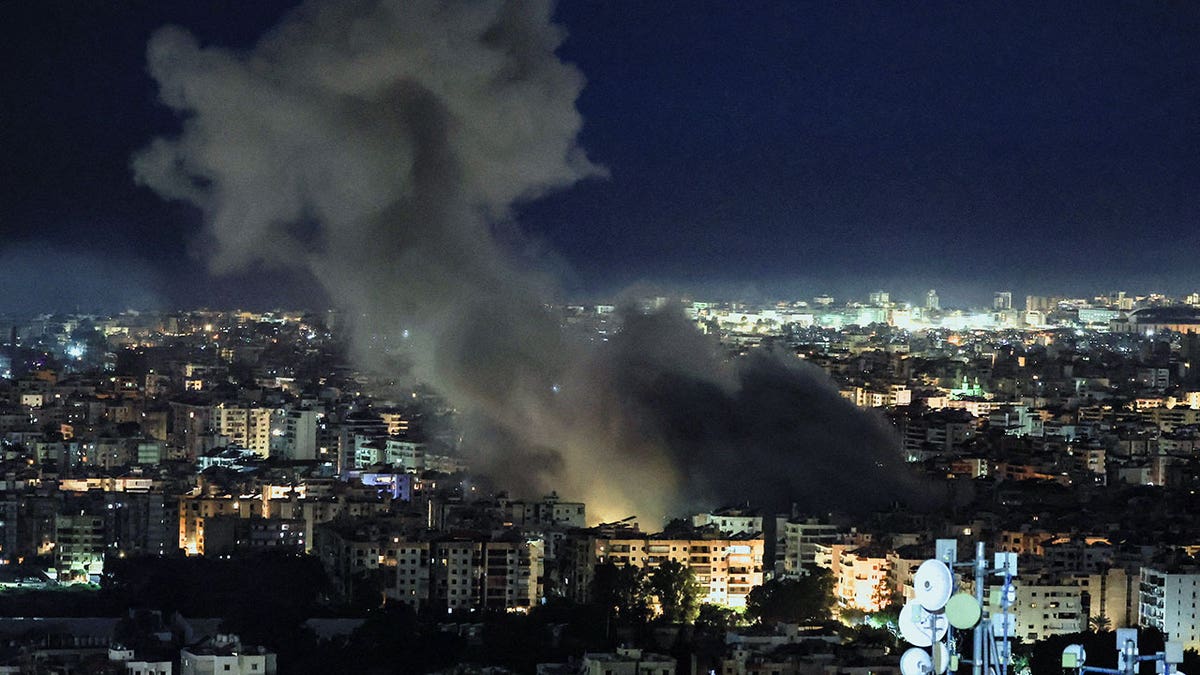
Smoke rises following strikes in areas south of Beirut, following tensions between Hezbollah and Israel amid the US-Israel conflict with Iran, as seen in Baabda, Lebanon, March 5, 2026. (Mohamed Azakir/Reuters)
The strike comes as Israel and Lebanon opened their first direct talks in more than three decades at the US State Department in Washington.
Lebanese President Joseph Aoun has indicated that he is willing to discuss disarmament and the disarmament of Hezbollah, while Israeli Prime Minister Benjamin Netanyahu has insisted that there will be no end to the shooting until Hezbollah is disbanded and withdrawn from the border.
Within hours of the opening of the embassy, Israeli warplanes again attacked Lebanon and Hezbollah fired rockets into northern Israel.
Reuters contributed to this report.