The emperor penguin is listed as an endangered species by the global tracking organization

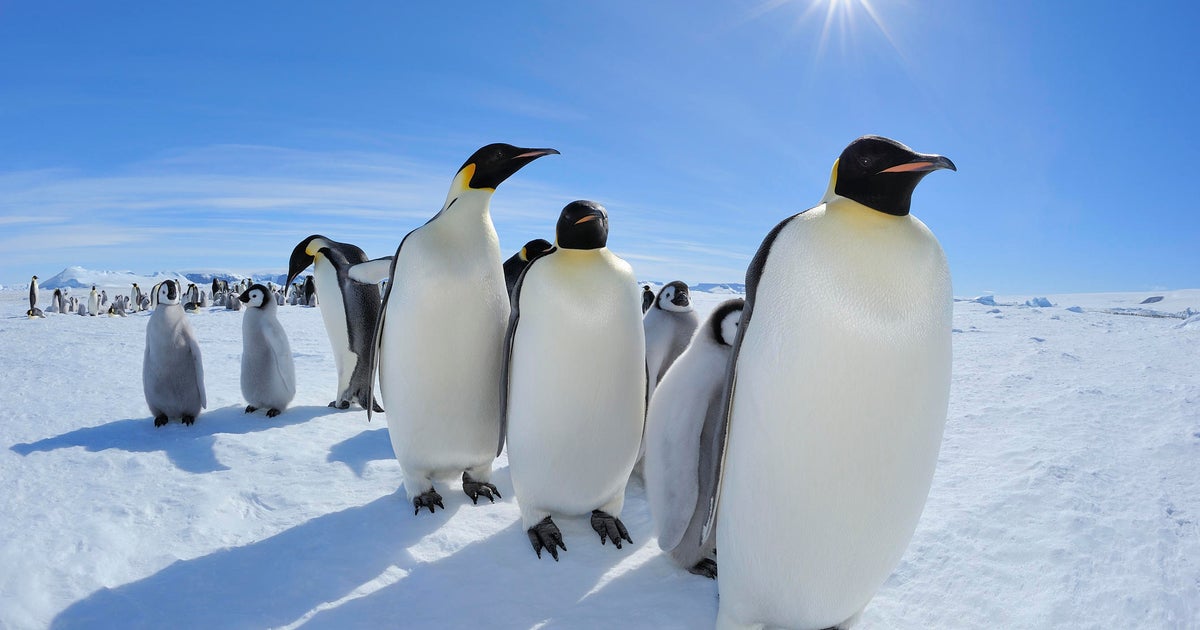
The emperor penguin has been declared an endangered species as climate change is pushing Antarctica’s icon a step closer to extinction, global wildlife authorities announced Thursday.
The change in its status from “threatened” by the International Union for Conservation of Nature (IUCN) underscores the threat to ice-dependent animals as global warming reshapes the frozen continent.
Emperor penguins rely on sea ice to survive, hunt and breed. The early breakup and loss of these sea ice fields it makes their prices go down.
The IUCN – a global network of scientists, governments and conservation organizations – said changes in sea ice caused by climate change are expected to reduce the number of emperor penguins by 2080.
“They concluded that human-induced climate change poses a serious threat to emperor penguins,” said Philip Trathan, part of the IUCN expert team working on the Red List assessment, in a statement.
The Red List of Threatened Species is maintained by the IUCN and is the world’s most comprehensive source of information on the extinction status of plants, animals and fungi.
There are six categories, from “slight concern” to “extreme.” Those classified as “threatened” are two steps below “extinct in the wild,” which indicates a species that lives only in captivity and not in the wild.
The Antarctic fur seal – once hunted to near extinction by people looking for their pets – was also moved to the endangered category, with its population down more than 50% since 1999.
Climate change threatens emperor penguins
“The continued decline is due to climate change, as rising sea temperatures and shrinking sea ice push krill deeper into the ocean in search of colder water, reducing the seals’ food supply,” the IUCN said.
The largest and heaviest of the species, boasting a golden-orange glow on their neck and chest, emperor penguins have become a symbol of their quest to thrive and survive in the tropical climate of Antarctica.
Getty Images
Nesting on the sea ice in the dead of winter, the males rely on the flat surface to keep their eggs warm under their feet. The sea ice is also a place for the chicks to stay during the molting period before they become submerged.
But climate change is destabilizing the sea ice, causing it to retreat or break up in the spring.
Sea ice has been at its lowest since 2016 and the impact on emperor penguins is well documented. Satellite images show nearly 20,000 adults – some 10% of the population – disappeared between 2009 and 2018 alone.
“This species is closely related to sea ice and ice packs,” Christophe Barbraud, a scientist at the French research center CNRS, told AFP.
“However, since 2016-2017, there has been a significant decrease in the amount of sea ice around Antarctica, so without sea ice, it will be very difficult to survive.”
Trathan said emperor penguins are “a kind of sentinel that tells us about our changing world and how well we’re controlling the greenhouse gas emissions that lead to climate change.”
The IUCN has also moved the southern elephant seal from “least concern” to “endangered” following population declines caused by a deadly infectious virus.