A series of proposed changes to the city’s charter — essentially its constitution — would give elected leaders in Los Angeles more oversight of the police department and allow the chief to fire troubled officers, changes long sought by advocates and likely to face stiff opposition.
Among the recommendations passed last week by the city’s Ordinance Revision Commission was a proposal that would require any LAPD-related proposal or ordinance passed by the City Council to automatically become law if not acted upon by the Police Commission within 60 days.
Once the language is finalized, the proposals must clear the City Council and its committees before being put on the ballot in November.
Another proposal would give city leaders the power to overturn policy decisions by the Police Commission, a mayoral board that sets the LAPD’s goals, oversees its budget and acts as a public watchdog.
As the police chief came under fire for a rise in police shootings, many proposals sought to strengthen accountability for the use of lethal force. One recommendation would require the LAPD to purchase “no less than” $1 million in liability insurance for its approximately 8,700 officers. The insurance will be used to cover legal costs if an officer is found guilty of injury or wrongful death, instead of going into the city’s General Fund budget.
Another potential change would “clarify and strengthen” the police chief’s ability to “initiate and pursue the removal of officers with documented, repeated histories of harm or misconduct.”
Under the city’s bylaws, the police chief does not have the authority to fire an officer. Instead, they must refer officials whose misconduct they deem egregious to disciplinary teams, which sometimes result in lighter punishments. The new proposal would give the City Council the power to overturn decisions not to fire, while leaving officials the right to appeal cases in court.
Mayor Karen Bass blocked a similar bid to overhaul the disciplinary process in 2024.
The latest proposals have drawn some caution from activists, many of whom say the Police Commission has become too beholden to the LAPD and is pushing for stronger independent oversight.
Godfrey Plata, deputy director of the nonprofit LA Forward, called the proposals a “major victory” in the fight against police accountability.
“Months ago, police reform was not even on the Charter Commission’s list of things to do. Today, because members of the community have come together to force discussions that may not have happened on their own, we have many changes addressed to the City Council,” said Plata.
The Police Commission and LAPD issued similar statements saying they look forward to working with the City Council on the rights reform process.
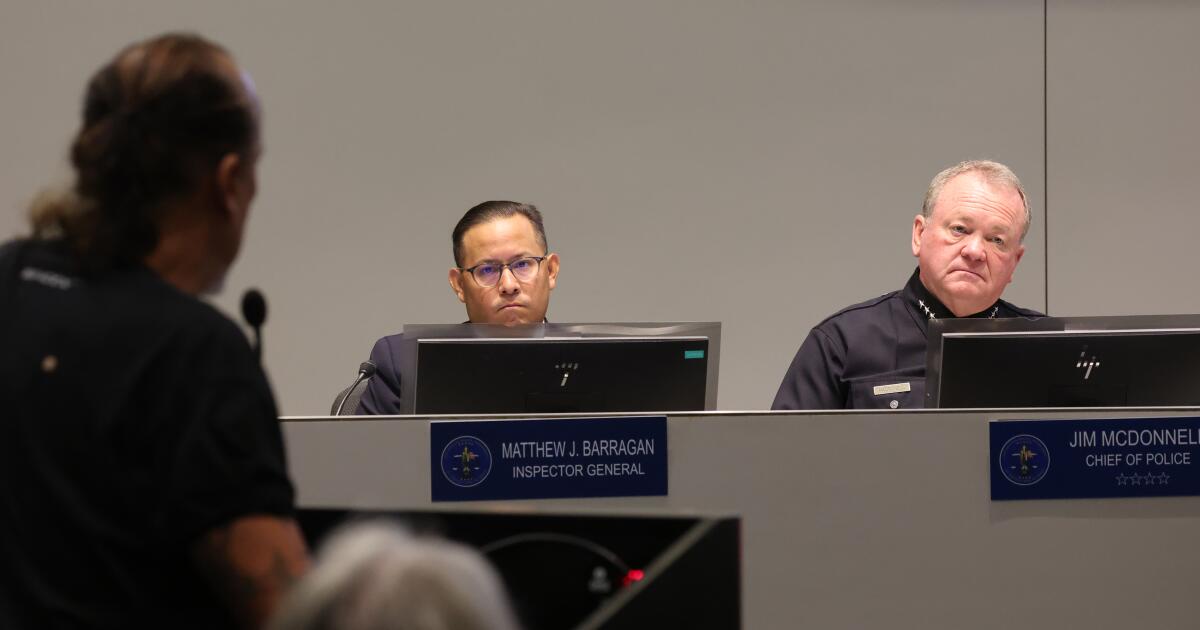
A spokesperson for the LAPD declined to say how Chief Jim McDonnell felt about the proposal, saying “it’s not something he likes to express his opinion on something like this as long as it’s still a full council.”
Samantha Stevens, a Los Angeles political consultant and former law enforcement officer, said she is concerned that the proposed changes are a solution to police abuse that will create another administration structure.
“If we don’t like the way they run things, we have to close the commissions.” he said. “I don’t know if this will work well since you already have 15 members telling the LAPD what to do in their districts. Are there more people cooking in the kitchen?”
The hiring commission, which has been meeting since last July, must submit all of its recommended changes to the City Council by April 2.