NEWNow you can listen to Fox News articles!
Another major healthcare cyberattack has surfaced, and it involves a company most patients have never heard of. A health technology company that helps doctors secure insurance has confirmed that hackers stole the personal and medical information of more than 3.4 million people. The company, TriZetto, works behind the scenes in the US health system, helping providers check a patient’s insurance before treatment.
The breach raises new questions about how long attackers can stay inside critical healthcare systems before anyone notices. Here’s what happened and why it matters.
Sign up for my FREE CyberGuy report
Get my best tech tips, emergency security alerts, and special deals delivered straight to your inbox. For easy real-world ways to spot scams early and stay protected, visit CyberGuy.com – trusted by the millions who watch CyberGuy on TV every day. Plus, you’ll get instant access to mine Ultimate Scam Survival Guide free when you join.
Insurance company after the violation
TriZetto may not be a household name, but its technology plays a major role in the day-to-day business of healthcare. The company is owned by the international technology company Cognizant and provides tools that healthcare providers use to verify insurance eligibility and process coverage checks before treatment. When a doctor’s office confirms whether your insurance will pay for a visit or procedure, that request often goes through systems like TriZetto.
$163K IN FINANCIAL PAYMENTS; The AI will reveal it to you
A major healthcare cyberattack exposed personal and medical information tied to more than 3.4 million people after hackers breached TriZetto, an insurance verification company owned by Cognizant. (Hispanolistic/Getty Images)
According to the company, its services help support healthcare operations tied to approximately 200 million people through more than 875,000 providers across the United States. That scale also makes the company an attractive target for cybercriminals.
What the hackers stole from the TriZetto data breach
TriZetto said hackers accessed insurance eligibility reports stored on its servers. Those reports can contain a surprising amount of personal and health information.
Stolen data may include:
- Names
- Birthdays
- Home addresses
- Social Security Numbers
- Insurance information
- Names of health care providers
- Demographic data linked to medical records
The company said not all customers were affected by the breach. However, many healthcare organizations have confirmed that patient information has been compromised. One of them is OCHIN, a nonprofit health care technology group that supports more than 300 rural care providers across the United States. Some health care providers in California also reported that their patient data was exposed.
Hackers had access for months before being discovered
One of the most concerning details is how long the attackers may have been inside the company’s systems. TriZetto said it discovered the breach on October 2, 2025. A recent investigation revealed that hackers may have gained access as early as November 2024.
That means the attackers could have stayed inside the network for up to a year. Cognizant spokesman William Abelson said the company removed the threat from its systems after identifying the breach. However, the company did not explain why the entry went unnoticed for so long.
For cybersecurity professionals, this kind of delay is a big problem. The longer attackers remain hidden within a network, the more data they can obtain.
Healthcare breaches continue to grow
This incident follows a worrying trend throughout the healthcare industry. Medical organizations store highly sensitive information including identification information, insurance records and personal health data. That combination makes healthcare systems prime targets for cybercriminals.
A major example occurred in 2024 when ransomware attackers targeted Change Healthcare. The company processes billions of healthcare transactions each year. Hackers stole more than 192 million patient records in that attack. The breach also caused widespread outages that disrupted prescriptions, billing and access to medical services across the United States. Events like this show how attacks on health technology companies can affect patients, hospitals and pharmacies across the country.
CYBER ATTACK ON HOSPITAL CAUSES PATIENT SAFETY
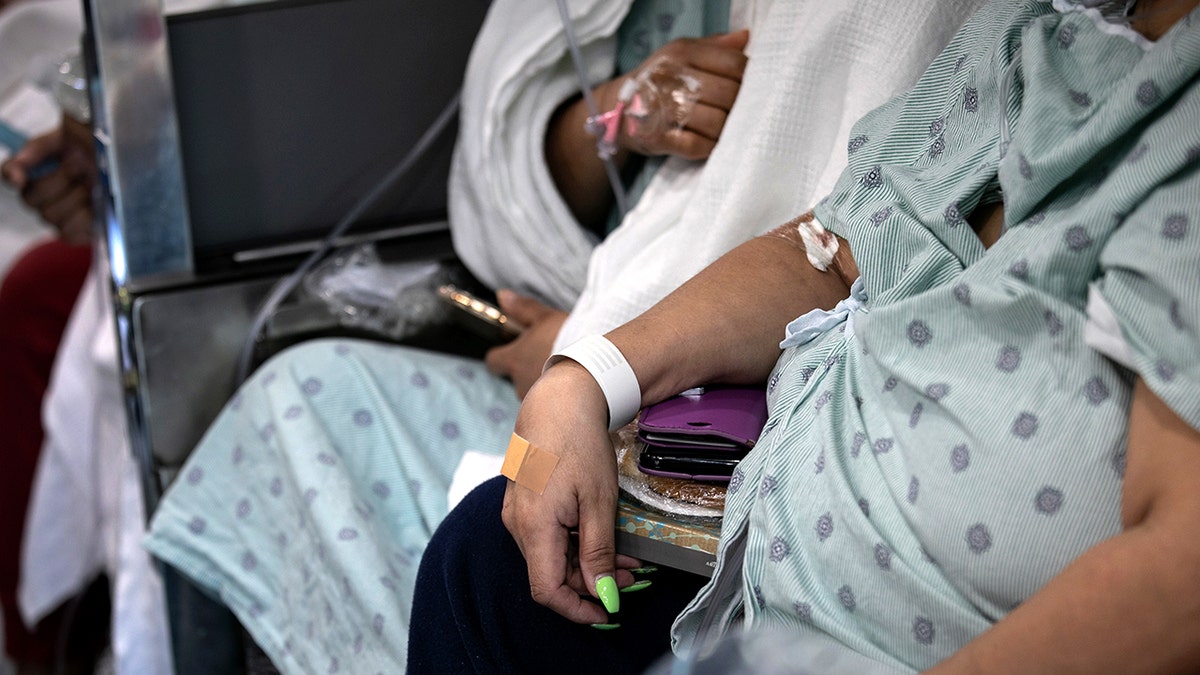
The TriZetto breach exposed names, dates of birth, Social Security numbers, insurance information and other health-related data, affecting millions across the US health care system. (John Moore/Getty Images)
Why healthcare data is so attractive to hackers
Medical data often sells for more than stolen credit card numbers. A single patient record may include identification information, insurance information and personal medical history. Criminals can use that data for identity theft, insurance fraud and phishing scams.
In some cases, attackers also submit fraudulent medical claims using stolen patient information. That makes health technology companies a common target for cyber attacks.
Ways to stay safe after a healthcare data breach
Many patients have little control over how health technology companies protect their data. However, there are steps you can take to reduce the risk of identity theft after a breach.
1) Review your EOBs and Medicare statements carefully
If you have health insurance or Medicare, pay close attention to Explanation of Benefits (EOB) statements after doctor visits or procedures. These documents show what has been charged on your behalf, even if you owe nothing. Check for missed services, unknown providers or duplicate payments. If something goes wrong, report it to your insurance or Medicare right away. In some cases, fraud can cause changes to your account, including issuing a new Medicare number.
2) Monitor your health and financial records
Review insurance statements and medical bills carefully. Look out for unusual charges or services you never received. Also, check your bank and credit card statements for suspicious activity.
3) Increase your credit
A credit freeze prevents criminals from opening new accounts using your Social Security number. The process is free and available at the major credit bureaus. You can put the freeze on hold whenever you need to apply for credit.
HEALTHCARE DATA BREACH AFFECTS NEARLY 500,000 PATIENTS
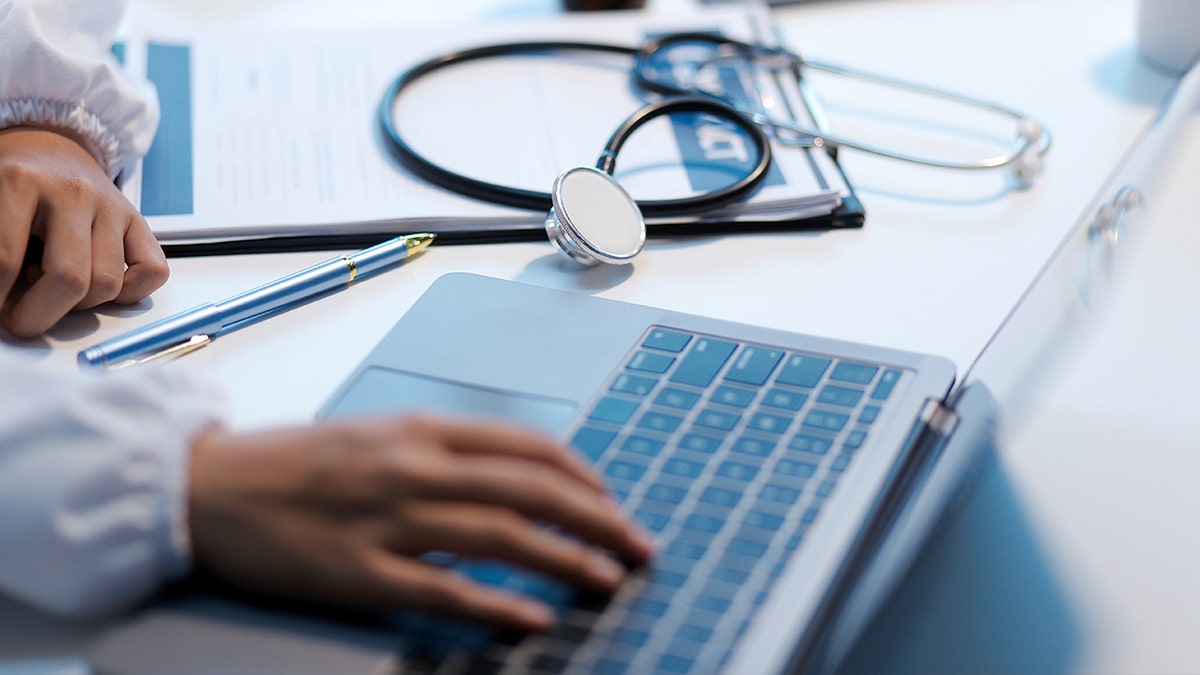
Hackers may have remained inside TriZetto’s network for months before the breach was discovered, raising new concerns about hidden threats within critical healthcare systems. (Photos by Phanphen Kaewwannarat/Getty)
4) Check your credit reports
Visit AnnualCreditReport.com to review your credit reports from the three major bureaus. Look up accounts, loans or questions you don’t know. Early detection can prevent serious problems later.
5) Watch for phishing scams
Cybercriminals often follow up on major breaches with phishing emails or text messages. These messages may pretend to be from health care providers or insurers. Always verify suspicious messages before clicking on links or sharing information. Installing strong antivirus software on your devices can also help block malicious links, detect suspicious downloads and warn you about dangerous websites. Find my picks for the best antivirus 2026 winners for your Windows, Mac, Android & iOS devices at Cyberguy.com.
6) Use a data removal service
Many breaches expose personal information that data vendors collect and sell online. A data deletion service can scan merchant information and request deletion of your personal information. This reduces the chances of fraudsters getting your contact information and fraudulently identifying you.
Check out my top picks for data removal services and get a free scan to find out if your personal information is already out there on the web by visiting Cyberguy.com.
Get a free scan to find out if your personal information is already out there on the web: Cyberguy.com.
7) Consider monitoring your identity
Privacy protection services can alert you if your personal information appears in suspicious activity or in the marketplace of underlying data. Early alerts can help you act quickly if someone is trying to misuse your data. See my tips and top picks for Best Identity Theft Protection at Cyberguy.com.
Kurt’s priority is taking
The TriZetto breach highlights how much personal health data flows through technology companies that most patients never see. When one of those systems is compromised, millions of people can be affected at once. Healthcare providers, insurers and technology vendors must strengthen cybersecurity protections as attacks on medical data continue to increase.
Here’s something to think about. How many companies are currently holding your health data that you’ve never even heard of? Let us know by writing to us at Cyberguy.com.
CLICK HERE TO DOWNLOAD THE FOX NEWS PROGRAM
Sign up for my FREE CyberGuy report
Get my top tech tips, emergency security alerts, and special deals delivered straight to your inbox. For easy real-world ways to spot scams early and stay protected, visit CyberGuy.com – trusted by the millions who watch CyberGuy on TV every day. Plus, you’ll get instant access to mine Ultimate Scam Survival Guide free when you join.
Copyright 2026 CyberGuy.com. All rights reserved.